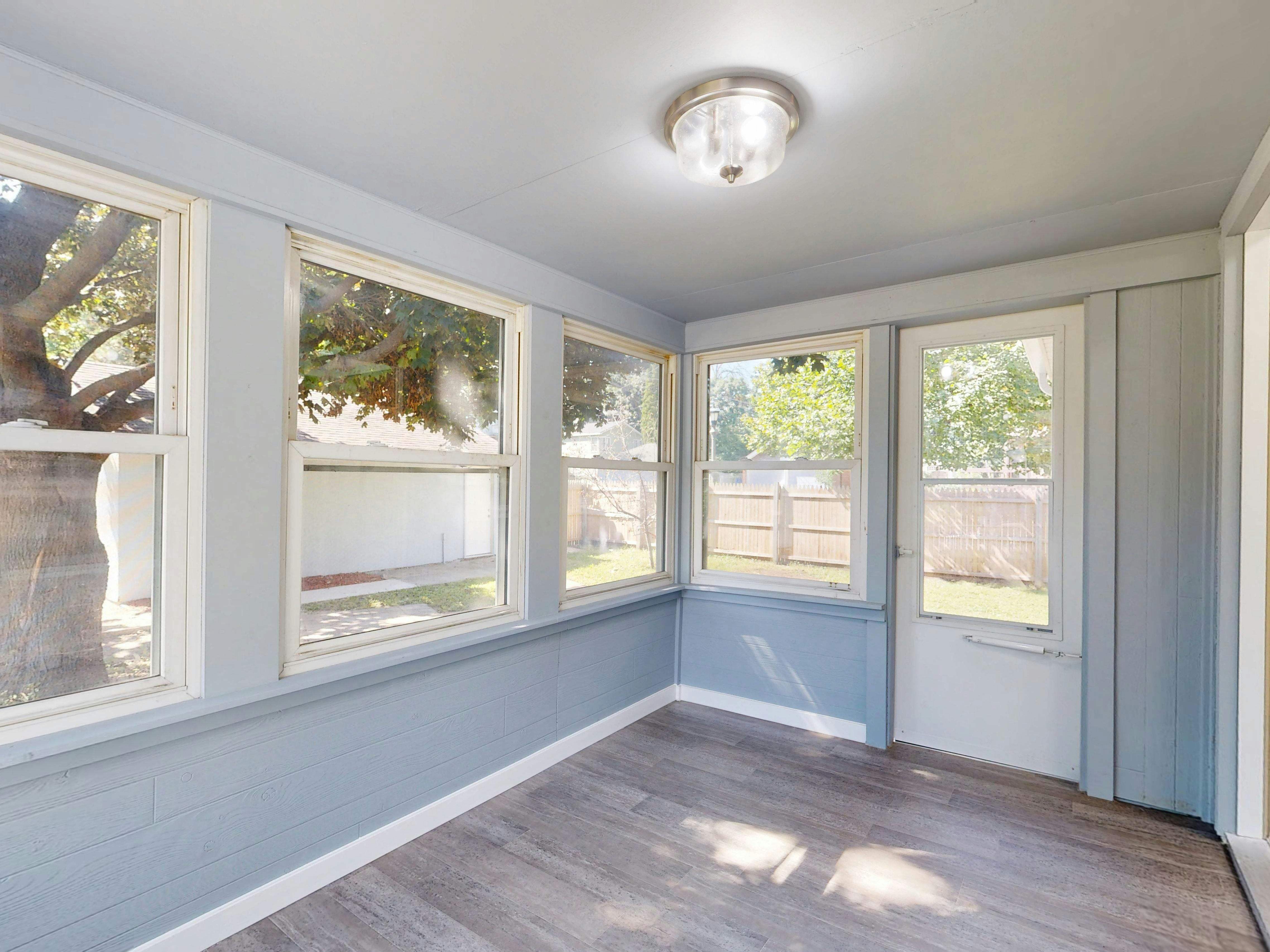
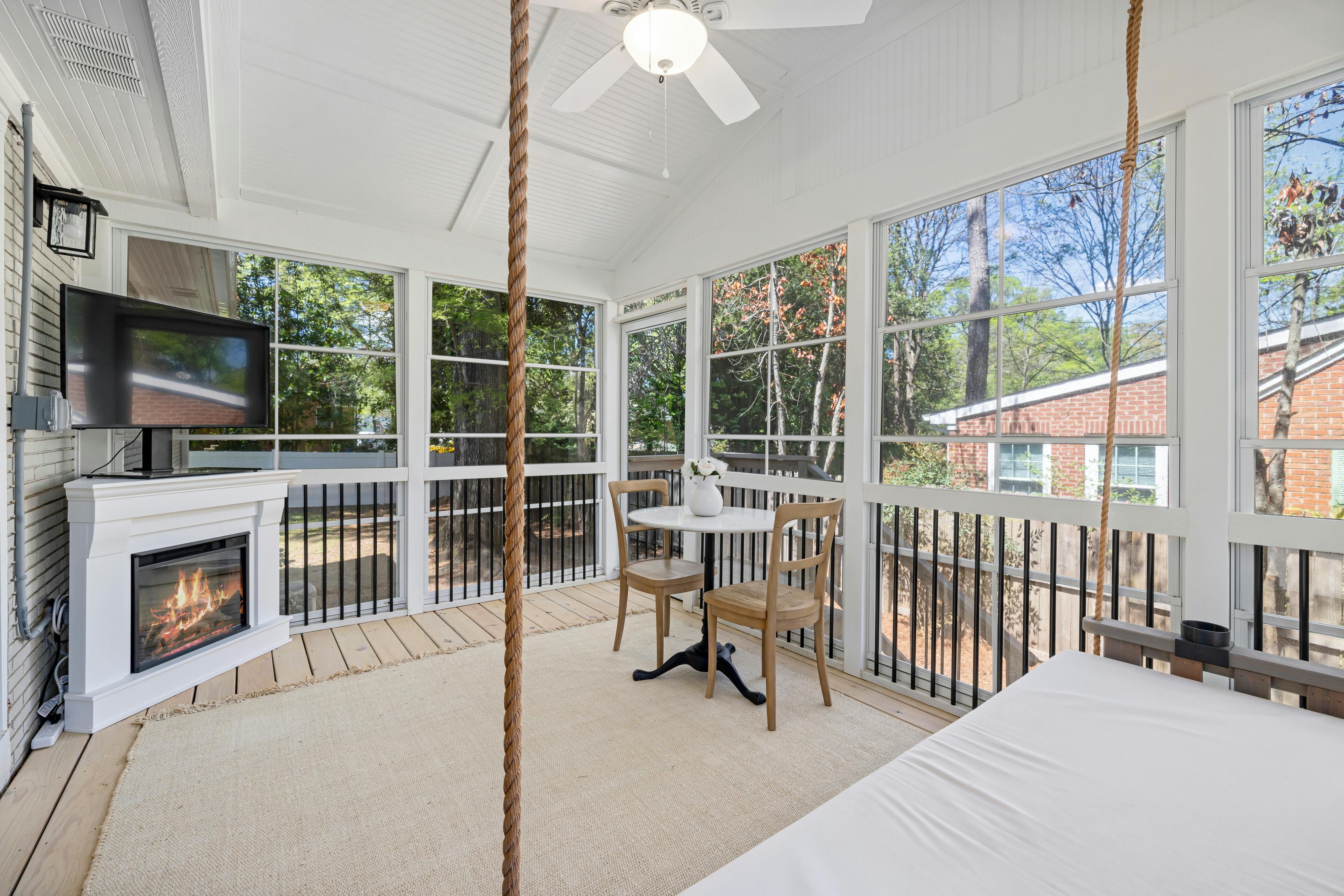
Introduction to Sunroom Materials
When considering the addition of a sunroom to your Huntsville home, understanding the materials involved can make a significant difference in your final decision. Not only do these materials affect the aesthetic appeal of your sunroom, but they also impact durability, energy efficiency, and cost. In this guide, we break down different sunroom materials in simple terms to help you choose the best fit for your needs.
Primary Sunroom Materials Explained
Vinyl
Vinyl is a popular choice for sunroom construction due to its affordability and low maintenance. It's essentially a type of plastic known for its durability and resistance to weather. Vinyl frames can be insulated, providing excellent energy efficiency, which is crucial during Huntsville's hot summers and cooler winters. However, it may not offer the same aesthetic appeal as other materials.
Aluminum
Aluminum is known for its strength and lightweight nature, making it a common choice for sunroom frames. It’s resistant to rust and can support large glass panels, offering unobstructed views. However, aluminum is a poor insulator, so it’s often combined with other materials or thermal breaks to improve energy efficiency. This is an important consideration for maintaining comfortable temperatures in your sunroom year-round.
Wood
Wood offers a classic, warm aesthetic that many homeowners find appealing. It’s a natural insulator, providing excellent energy efficiency. However, wood requires more maintenance than other materials to prevent issues like rot or insect damage. It's ideal for those who prioritize aesthetics and are willing to invest in regular upkeep.
Composite
Composite materials blend the benefits of wood and synthetic materials, offering durability and low maintenance. They mimic the appearance of wood but are more resistant to the elements. This makes composites a great option for homeowners seeking a balance between aesthetics and practicality.
Choosing the Right Glass
Single-Pane vs. Double-Pane
Single-pane glass is less expensive but offers minimal insulation. Double-pane glass, on the other hand, features two layers of glass with an insulating air or gas-filled space in between, which significantly improves energy efficiency. Given Huntsville's temperature fluctuations, double-pane glass is generally recommended for maintaining a comfortable indoor climate.
Low-E Glass
Low-emissivity (Low-E) glass is coated with a thin layer that reflects heat while allowing light to pass through. This technology helps keep your sunroom cooler in the summer and warmer in the winter, making it a smart choice for energy savings.
Understanding Insulation and Energy Efficiency
Insulation is key to making your sunroom a year-round space. Well-insulated sunrooms reduce energy costs by maintaining a stable indoor temperature. Look for materials with high R-values, which measure thermal resistance. The higher the R-value, the better the insulation.
Conclusion: Making the Best Choice for Your Home
Choosing the right materials for your sunroom is crucial for maximizing its benefits. Consider factors such as budget, maintenance, aesthetic preferences, and energy efficiency needs. At All Valley Patio, our experts are ready to help you navigate these choices to create a sunroom that complements your Huntsville home beautifully. For more guidance, feel free to reach out to us and explore our range of services tailored to meet your specific needs.
With this knowledge, you're well-equipped to make informed decisions that enhance your living space while adding value to your home.